

Synthetic Additives in Essential Oils – Facts and Scientific Evidence
Share
Some essential oils may contain synthetic additives. Do they actually pose a health risk?
What are “synthetic fillers” in essential oils?
Essential oils should be pure plant extracts, but synthetic fillers are chemical additives that some manufacturers use to dilute or enhance their products. Such additives can include synthetic fragrances , solvents, or cheap petrochemicals, added to reduce costs or enhance fragrance. Phthalates , a group of synthetic chemicals used as solvents and fragrance fixatives, are an example. In 2025, independent tests revealed the presence of phthalates in all 22 lavender and peppermint oils tested from 11 popular brands (including organic ones)[1]. These results may be surprising to those new to this type of laboratory report. However, in practice, such cases are not uncommon in oil quality analysis. In other words, even products advertised as "100% natural" can be contaminated with small amounts of synthetic additives.
Possible health risks of these synthetic ingredients
Unlike pure plant oils, synthetic additives can have significant health effects. Here are the most important ones, along with the scientific evidence:
- Hormonal (endocrine) disruption – Many synthetic chemicals used in fragrances are called endocrine disruptors . Phthalates, for example, can mimic or block the action of hormones. Studies link exposure to phthalates to endocrine disruption – they have been shown to negatively impact thyroid and androgen receptors. This can result in hormonal imbalances (including abnormal levels of sex hormones or thyroid hormones) [2]. Furthermore, experts warn that exposure to phthalates is associated with hormonal disruptions even at very low doses [3]. In other words, even trace amounts of these additives can affect hormonal balance.
- Respiratory problems – Synthetic fragrances release volatile organic compounds ( VOCs ), which can irritate the respiratory tract. Inhaling these fumes has been linked to respiratory symptoms, especially in sensitive individuals. Studies show that exposure to fragrance chemicals increases the risk of asthma attacks, respiratory irritation, and allergic symptoms [4][5] For example, children exposed to phthalates are more likely to suffer from asthma and allergies [5] People who inhale artificial fragrances (e.g., from air fresheners) also complain of coughing, wheezing, and irritation of the mucous membranes of the nose and throat [4] This suggests that these additives may cause shortness of breath, asthma attacks, or other respiratory ailments in some users.
- Cancer Risk – The most serious concern is the potential carcinogenicity of some synthetic additives. Some of these (e.g., benzene, formaldehyde) are considered carcinogenic and may be present in fragrances [6] The phthalates mentioned above are also a cause for concern – they are suspected of causing several types of cancer [2] US health authorities classify some phthalates as substances known to cause cancer or birth defects (they are listed under Proposition 65 in California) [7] Importantly, long-term exposure to VOC emissions may contribute to the development of cancer [8] In other words, inhaling the chemicals released by artificial fragrances over the years potentially increases the risk of cancer in the body.
My supplier selection criteria
Among the brands available on the market, not all meet the standards of full ingredient transparency. Therefore, when selecting a supplier, I was guided by clearly defined criteria:
- availability of up-to-date GC/MS analyses for each batch,
- transparency of the origin of the raw material,
- no synthetic additives not listed in the documentation,
- real education based on the chemistry of oils, not just a marketing message.
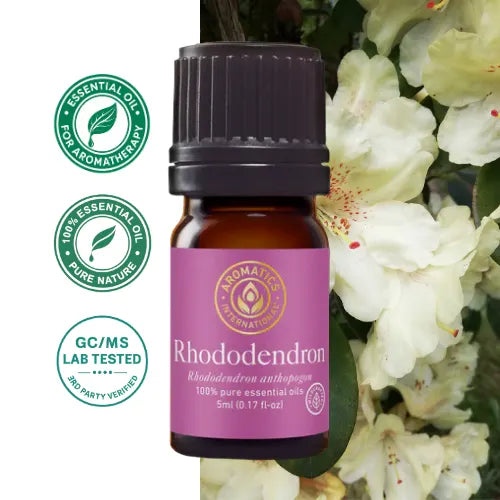
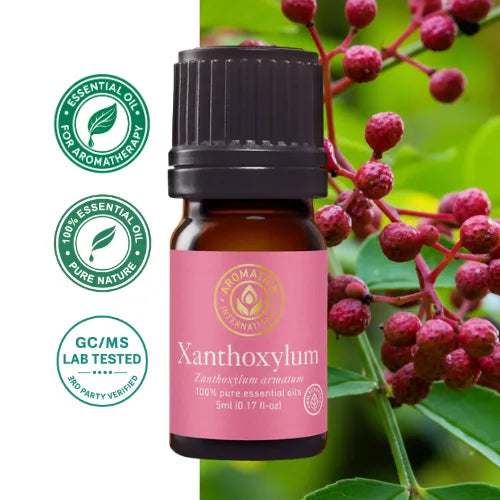
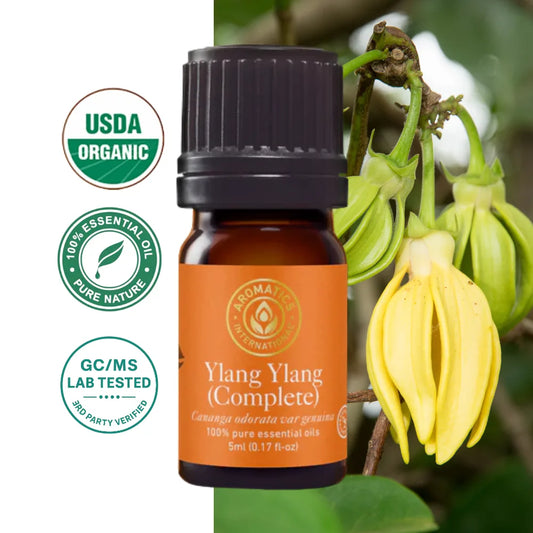
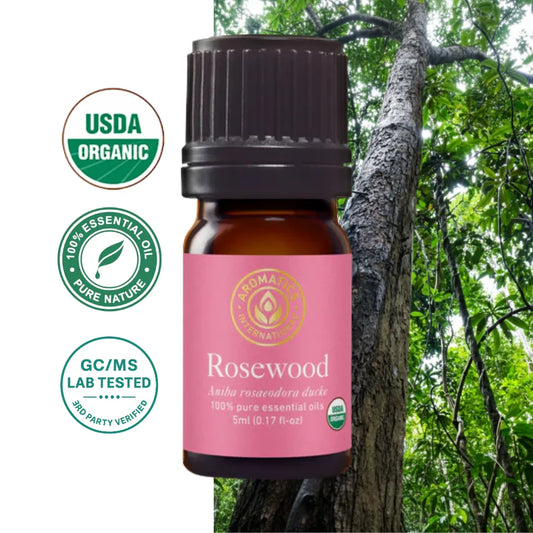
After several months of analyzing independent American consumer reports and the opinions of independent aromatherapists, I decided to cooperate with the Aromatics International brand, which meets the above criteria of quality and transparency.
To date, there have been no publicly documented cases of adulteration of their product batches, and each batch has verifiable chromatographic tests.
I recommend this brand based on quality data and documentation – ensuring both my own safety and that of my customers.
I should add that during discussions with potential distributors in the Polish market, I repeatedly stated that I only work with brands that provide full purity reports for each batch. In practice, it turned out that not all companies were ready for this level of transparency.
Summary and conclusions
Available scientific evidence confirms that synthetic "fillers" in essential oils can negatively impact health . Phthalates and similar compounds added as hidden ingredients to oils have been linked to hormonal disruption, respiratory problems (e.g., asthma), and a potentially increased risk of certain cancers. Of course, the degree of risk depends on the level and duration of exposure – occasional use of contaminated oil carries less risk than prolonged inhalation or application to the skin. Nevertheless, these facts indicate that it's worth choosing products from trusted suppliers and seeking oils with confirmed purity (labeled as 100% pure essential oil without additives ). This will reduce exposure to harmful additives. In short, informed consumers should pay attention to the ingredients of oils , because even in the wellness industry, hidden synthetic additives can nullify the health-promoting effects of natural essences.
If you have any questions, please leave a comment - I will provide information.
Sources: The facts are gathered from current research and reports on contaminants in essential oils and the health impacts of fragrance chemicals. For example, an article in Environmental Health News describes the discovery of phthalates in popular oils and the associated risks. , and an analysis published by the American Lung Association explains the impact of volatile fragrance compounds on the respiratory system and cancer risk All information provided is supported by reliable scientific sources, which underscores the importance of the issue.
[1] [3] Phthalates detected in 11 popular brands of essential oils - EHN https://www.ehn.org/do-essential-oils-have-phthalates
[2] Synthetic Endocrine Disruptors in Fragranced Products https://www.mdpi.com/2673-396X/5/3/27
Phthalates detected in 11 popular brands of essential oils - EHN
[4] Indoor Air Pollution from Scented Products: Mechanisms and Risks
[5] [7] Essential Oils Tested for Toxic Phthalates - Guide - MAMAVATION
Are Your Personal Care Products Safe? What You Need to Know | American Lung Association
Essential Oils Tested for Toxic Phthalates - Guide - MAMAVATION
[6] [8] Are Your Personal Care Products Safe? What You Need to Know | American Lung Association